
In the high-stakes world of digital transformation, time is literally money. Yet, the most common question we hear from C-suite executives isn’t about cost—it’s about the custom software development timeline. “How long until we can launch?”
The answer often feels like a moving target. While off-the-shelf solutions offer instant access, they rarely fit the specific operational needs of a scaling enterprise. On the other hand, custom builds have a reputation for dragging on indefinitely. In this post, we demystify the schedule, breaking down exactly how long it takes to build robust software in 2025 and how you can avoid the common bottlenecks.
The Real Numbers: What to Expect in 2025
Let’s rip the bandage off: There is no single “standard” duration, but there are highly reliable averages based on project scope. If you are building a solution from scratch, you need to align your expectations with the complexity of your requirements.
For most businesses, the timeline falls into three distinct buckets:
Simple App / MVP (Minimum Viable Product): 3 to 4 months. (Basic features, standard UI, single platform).
Mid-Sized Application: 5 to 9 months. (Web and mobile apps, third-party integrations, custom backend).
Enterprise-Grade System: 9 to 18+ months. (Complex data security, legacy migration, multiple user roles, heavy data processing).
“Speed is irrelevant if you are going in the wrong direction. We often see companies rush the timeline only to spend double the time fixing a product that doesn’t solve the user’s core problem.” — Senior Project Lead, Sociazy
Phase 1: Discovery and Design (The Blueprint)
(Typical Duration: 2 – 6 Weeks)
You wouldn’t build a skyscraper without a blueprint. This initial phase is where the custom software development timeline is truly defined. It involves deep dives into business goals, user personas, and technical architecture.
Requirements Gathering: Stakeholder interviews to define success metrics.
Wireframing & Prototyping: Creating a visual guide (UX/UI) so you can “see” the app before a line of code is written.
Tech Stack Selection: Deciding between React, Python, .NET, etc., based on scalability needs.
Sociazy Insight: Spending 20% of your total timeline here can save you 50% of the time in development rework later.
Phase 2: Core Engineering (Where the Magic Happens)
(Typical Duration: 3 – 9 Months)
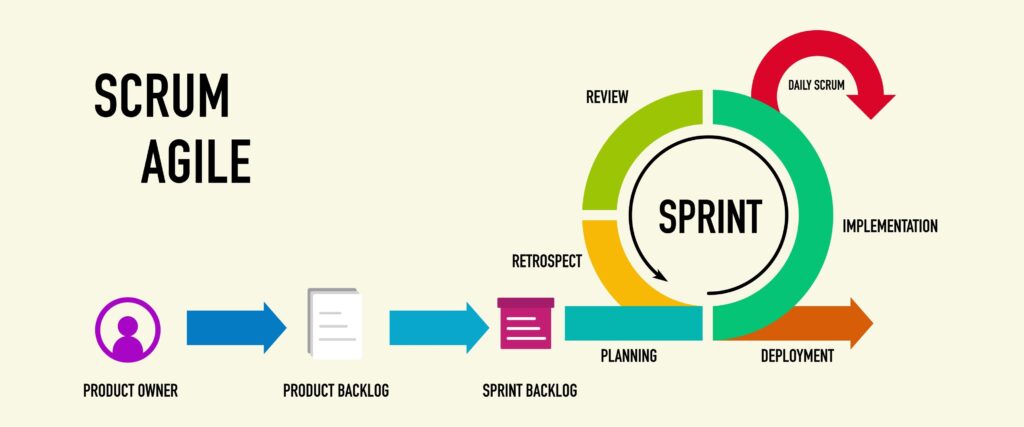
This is the heavy lifting phase. It is the longest part of the journey and where transparency is critical. Modern agile teams break this huge block of time into 2-week “sprints,” delivering small, testable chunks of functionality regularly.
- Frontend Development: Building the client-side interface users interact with.
- Backend Development: Constructing the server, database, and APIs.
- Integration: Connecting your new software to existing CRMs, ERPs, or payment gateways.
Phase 3: Testing and Launch (The Final Mile)
(Typical Duration: 3 – 6 Weeks)
Writing code is only half the battle; ensuring it doesn’t break under pressure is the other half. As the global software market races toward a projected $741 billion valuation by 2025, the tolerance for buggy, unstable software is at an all-time low.
- UAT (User Acceptance Testing): Your team uses the software to verify it meets business needs.
- Security & Load Testing: Ensuring the app is secure and can handle peak traffic.
- Deployment: The actual “go-live” moment where the software moves to a production server.
The “Hidden” Factors That Delay Projects
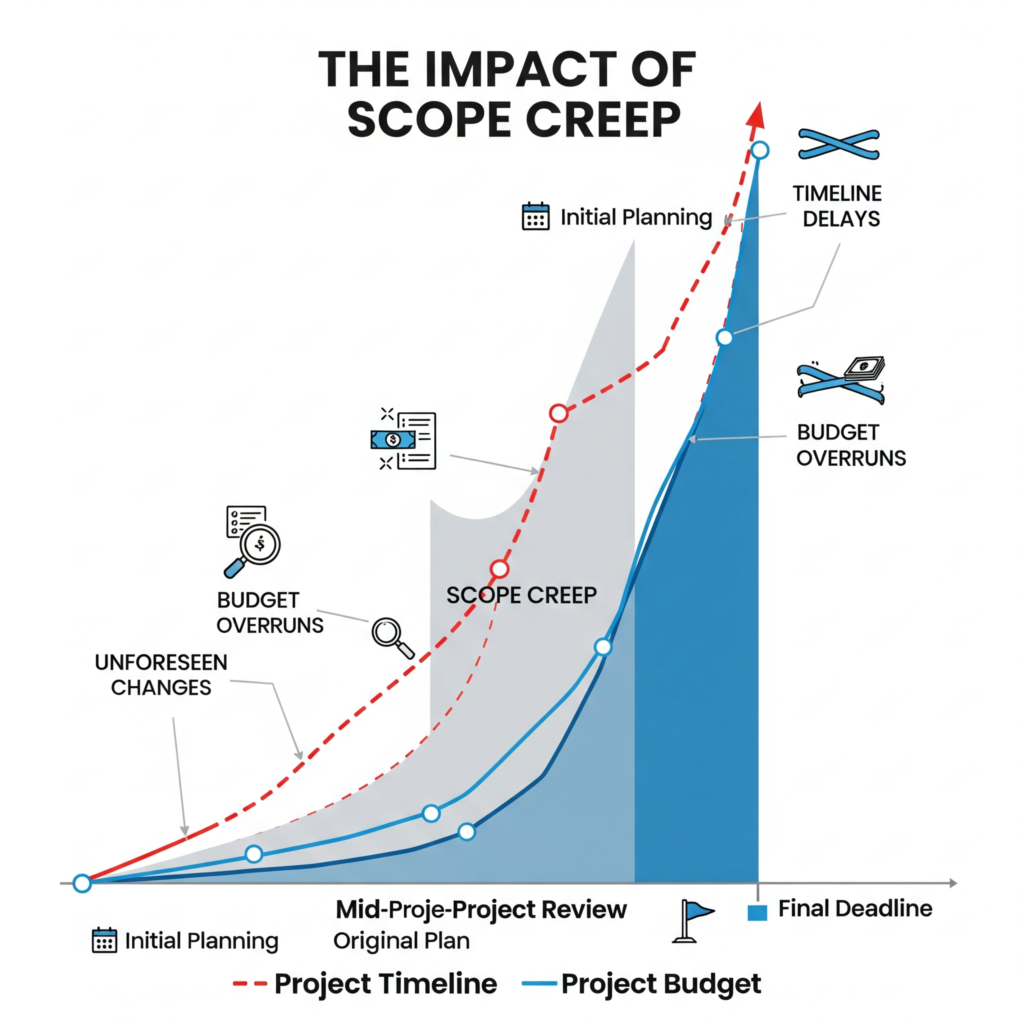
Why do some 6-month projects turn into 12-month nightmares? Usually, it’s not the coding speed it’s the decision-making friction.
- Scope Creep: Adding “just one more feature” mid-development is the #1 timeline killer.
- Slow Feedback Loops: If stakeholders take a week to approve a design, the engineering team sits idle.
- Legacy Debt: Integrating with outdated internal systems often reveals unexpected technical hurdles.
Sociazy’s Strategy: Speed Without Sacrifice
We believe you shouldn’t have to choose between speed and quality. By utilizing a hybrid approach—leveraging pre-built modules for standard features (like login authentication) and custom code for your unique IP—we can often reduce the custom software development timeline by 30%.
Real-world Example: A recent logistics client needed a custom fleet tracking dashboard. A traditional build would have taken 8 months. By focusing on a “Core MVP” strategy and using low-code integration tools, Sociazy delivered a fully functional v1.0 in just 14 weeks.
Conclusion
So, how long does it really take? Realistically, prepare for a 4 to 9-month engagement for a business-critical application. The key to beating the clock isn’t rushing the developers—it’s crystal-clear planning and decisiveness in the boardroom.
Don’t wait for the “perfect” time to start. The sooner you begin the discovery phase, the sooner you have a competitive advantage in your hands.
Ready to Transform Your Digital Strategy?
Stop wondering and start transforming. Contact Sociazy’s expert team today for a no-obligation consultation on how we can solve your specific timeline challenges.