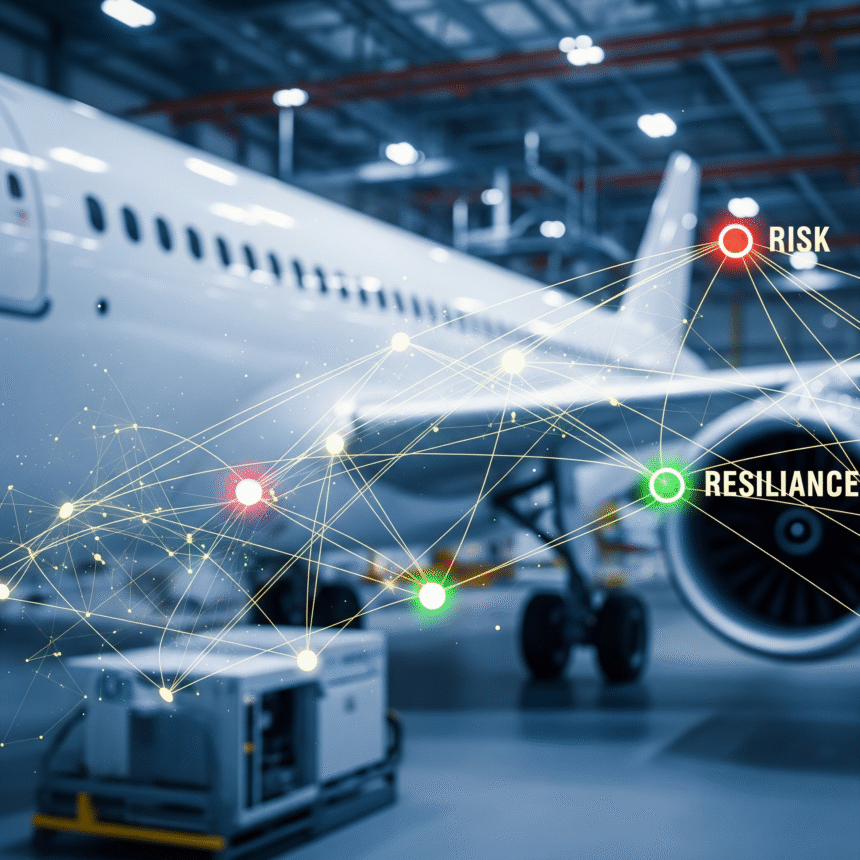
Raw material shortages. Geopolitical tensions. Cyber threats. The aerospace supply chain is facing a perfect storm. For decades, the industry relied on lean efficiency. Today, that efficiency has morphed into dangerous fragility.
This isn’t just an operational headache; it is a cap on your revenue. If you cannot deliver assets on time, you cannot realize growth.
This article outlines why Aerospace & Defense (A&D) leaders must prioritize supply chain resilience immediately. We will explore how adapting your strategy now prevents stagnation later.
The High Cost of Invisible Weaknesses
Fragility in the aerospace supply chain is expensive. A single missing Tier 3 component can ground a multimillion-dollar program. The ripple effect is immediate and severe.
According to recent industry analysis, supply chain disruptions can erode profits significantly.
Companies experience an average annual loss of up to 45% of one year’s profits due to supply chain disruptions over the course of a decade.”
— McKinsey & Company
Disruptions damage more than just the bottom line. They damage reputation. In the defense sector, reliability is paramount. If you fail to deliver, government contracts go elsewhere. Identifying these weak points is the first step toward sustainable A&D growth strategy.
Moving From “Just-in-Time” to “Just-in-Case”
For years, “Just-in-Time” (JIT) delivery was the gold standard. It minimized inventory costs and maximized cash flow. However, in a volatile global market, JIT is a liability.
Leading A&D firms are shifting toward a “Just-in-Case” model. This doesn’t mean hoarding unnecessary stock. It means strategic buffering of critical components.
Key shifts in this strategy include:
- Strategic Stockpiling: Identifying and holding reserves of rare earth materials or semiconductors.
- Regionalization: Moving production closer to assembly hubs to reduce transit risks.
- Agile Contracts: Structuring agreements that allow for rapid volume adjustments.
This shift requires capital. But viewing inventory as insurance rather than cost protects your long-term growth.
The Data Visibility Gap: You Can’t Fix What You Can’t See
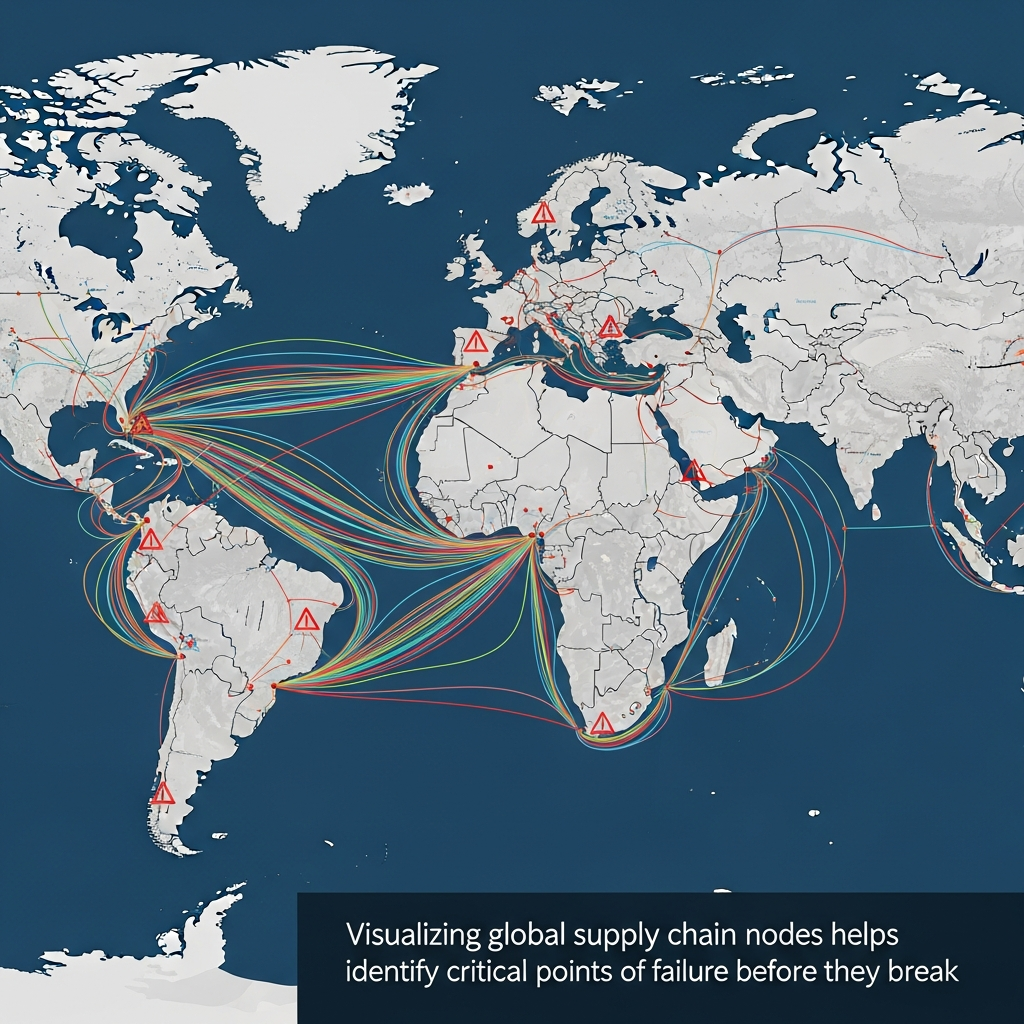
Most aerospace leaders have visibility into Tier 1 suppliers. But what about Tier 2 and Tier 3? That is where the real risks hide.
A lack of data integration creates blind spots. If a sub-supplier in Southeast Asia faces a power outage, do you know immediately? Or do you find out when the shipment fails to arrive?
How to close the gap:
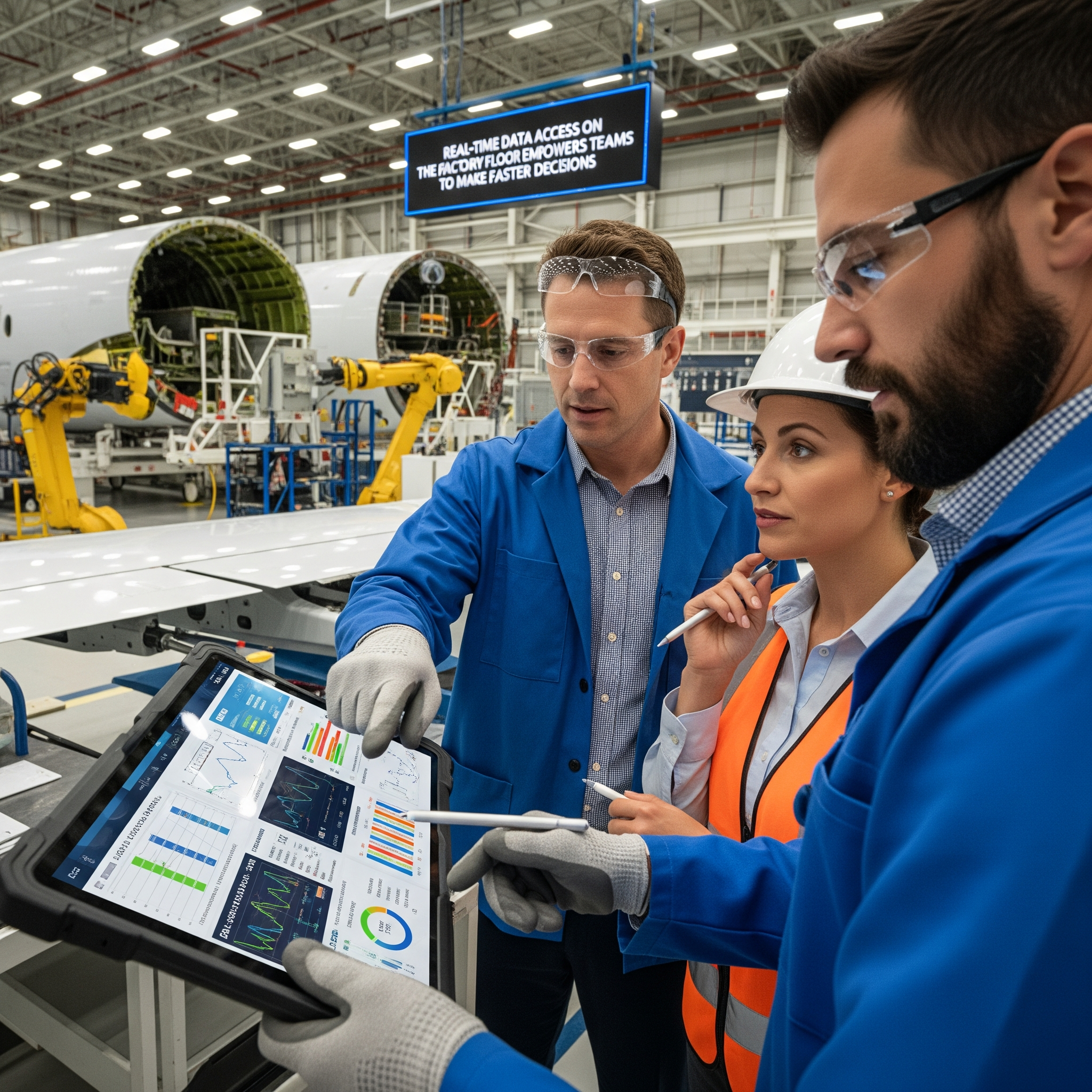
- Unified Dashboards: Implement systems that aggregate data from all supplier tiers.
- Real-Time Tracking: Use IoT sensors for shipment location and condition monitoring.
- Collaborative Platforms: Share demand forecasts transparently with suppliers to prevent bottlenecks.
Leveraging AI for Predictive Logistics
Reactive management is no longer enough. You must predict disruptions before they happen. This is where Artificial Intelligence transforms the aerospace supply chain.
AI algorithms analyze historical weather patterns, geopolitical news, and market trends. They predict delays with startling accuracy.
Benefits of Predictive AI:
- Dynamic Rerouting: Automatically suggest alternative shipping routes during crises.
- Demand Forecasting: Predict maintenance needs to order parts proactively.
- Risk Scoring: Assign real-time risk scores to every vendor in your network.
Supplier Diversification as a Growth Engine
Relying on a single source for critical components is a gamble you can no longer afford. Diversification is essential for risk mitigation.
However, onboarding new suppliers in A&D is difficult due to strict compliance standards. This process must be streamlined.
Steps to effective diversification:
- Audit Current Dependencies: Identify single-source points of failure.
- Pre-Qualify Alternates: Keep a “bench” of vetted suppliers ready to activate.
- Digital Onboarding: Use automated compliance tools to speed up vendor approval.
For more on regulatory compliance in tech, read this guide from Deloitte on A&D Industry Outlook.
Conclusion: Resilience is the New Growth
The era of static, linear supply chains is over. To secure future revenue, A&D leaders must build networks that bend but do not break.
Adapting now prevents stagnation. It requires investment in digital tools, AI, and strategic partnerships. By transforming your supply chain from a cost center into a strategic asset, you ensure your organization remains competitive.
Don’t wait for the next disruption to act. Build your defense today.
Ready to Transform Your Aerospace Strategy?
Stop wondering and start transforming. Contact Sociazy’s expert team today for a no-obligation consultation on how we can solve your specific Aerospace & Defense challenges.